Introduction
When we talk about innovation in business, it’s hard to ignore the influence of cloud computing. Cloud computing is increasingly becoming popular in the business world today. As we can see, technology is evolving at a very fast pace and many businesses, small or large, are slowly turning to the Cloud. For instance, according to Gartner, global end-user spending on public cloud services is expected to reach $332.3 billion in 2021, up from $257.5 billion in 2020. And a big chunk of these users? Small and medium enterprises, or SMEs, looking to stay competitive in the ever-evolving digital landscape.
Understanding Cloud Computing
Cloud computing, in layman’s terms, is basically the use of various services, such as software development platforms, servers, data storage, and software, over the internet. It provides on-demand access to a collective pool of computing resources, saving enterprises the cost and complexity of owning and maintaining their own IT infrastructure. Given the foundation of good internet connectivity, users can access these resources and carry out tasks from anywhere in the world.
Benefits of Cloud Computing
Cost-Effectiveness and Reduced IT Expenditure
No more fat checks to the hardware supplier, no more periodic upgrades, and sudden breakdowns resulting in business disruption. With pay-as-you-go models of cloud computing, SMEs can plan their expenditure effectively.
Discussing the Scalability and Flexibility Offered by Cloud Services
The cloud is massive and can expand limitlessly (or at the least, more than your office ever could). So whether you’re a blooming startup or a medium enterprise looking to scale, the cloud fits just right. And then there’s flexibility. Want to implement a service package for a limited time? Or need extra storage for an upcoming project? The cloud can accommodate it all.
Highlighting the Ease of Accessibility and Collaboration
Geographical boundaries? Can’t cross that river for a meeting? Or stuck in a snowstorm? No worries! With the cloud, your entire office can fit into your laptop. Easy accessibility and seamless collaboration are the defining features of cloud-based solutions.
Cloud Computing Models
Not all clouds are created equal. Depending on their needs, SMEs can opt for different cloud computing models.
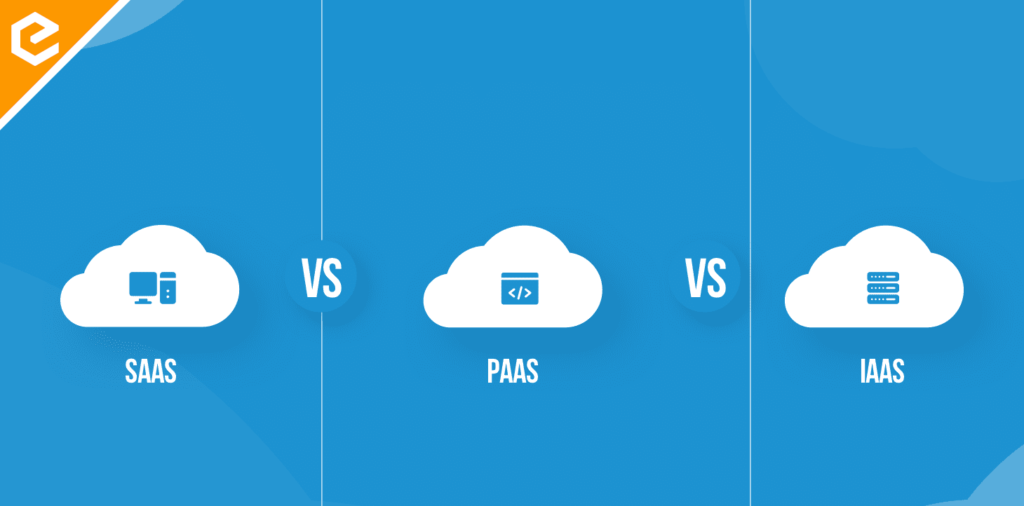
Software as a Service (SaaS)
Saas is also known as “Software on Demand” where the application is hosted by the vendor or service provider where applications are made available to users over the internet. Imagine just picking up your smartphone and having Microsoft Office or Adobe Photoshop ready to go, without any installations. That’s the power of SaaS, which removes the need for organizations to install and run applications on their own computers or in their own data centers or server rooms. Instead of committing on the upfront license purchase for the software, users can subscribe to the SaaS service via monthly or yearly payment model.
This service model is recommended for businesses that require increased security and need control over the infrastructure.
Infrastructure as a Service (IaaS)
From storage to networking, from operating systems to middleware, all your IT infrastructure bundled up in a cloud-convenient package, providing the highest level of flexibility and management control over your IT resources. Imagine this as putting your entire physical IT infrastructure on the internet, with the flexibility of scaling up or down easily. Furthermore, you do not have worry about aging hardware or the long lead time when you need additional resources.
Platform as a Service (PaaS)
If you just need a platform to develop, run, and manage applications on the internet without the complex build and maintenance of the infrastructure, PaaS will be the right model. PaaS allows developers to create applications faster without the need to configure the infrastructure. One very good example of PaaS will be Low Code/No code development platform such as Kissflow, Outsystems where businesses can design, develop and run workflows using the platform without worrying about the underlying infrastructure.
Should You Just Jump On The bandwagon of Cloud Computing?
When you should consider moving to the cloud?
As we’ve seen, the opportunities in cost savings, scalability, remote access, and flexibility are enormous. On the other hand, challenges persist in the form of security risks, limited control, and possible service downtime. Below are some of the factors that you should consider before going for it.
- If your applications are encountering a significant surge in traffic, making it challenging to rapidly scale and allocate resources to meet the escalating demand.
- If you aim to cut down operational expenses and enhance the efficiency of your IT operations.
- If you’re considering establishing a disaster recovery system for on-premise infrastructure, while maintaining sufficient control over resources and keeping costs in check.
- If your intention is to expand your development team and create a widely distributed setup to facilitate seamless work for remotely located employees.
These are just some common situations where you could consider cloud computing. There may be more. If you can relate to at least some these, then you can probably start planning.
How about the flip side?
Now let’s see some possible consequences that come with the package. You might want to consider the flip side of things as well, before getting into it.
- If your application handles, retains, and transmits a significant amount of sensitive data, utilizing the cloud may not be feasible. Compliance regulations may also impose restrictions on the storage and management of such data, particularly within cloud environments.
- In the case of proprietary software or technology, transitioning to the cloud can present legal obstacles. It may be legally prohibited to migrate or deploy such software in a cloud setting.
- Challenges related to transparency and control arise when your hardware is under the management of cloud providers.
- For those seeking to maintain ownership of specific data within their application, the cloud may not be the ideal solution. Migrating data to the cloud relinquishes control over its storage location.
- The existing design or architecture of your application may not align with cloud architecture, necessitating modifications for compatibility.
- The use of shared resources in the cloud can result in occasional disruptions to performance and efficiency.
So.. Is Cloud Computing is Suitable for Your Business?
Understanding the different service models is necessary to ensure that you are emjoying the benefits you are hoping for when you upgrade to the Cloud. Matching the right service model that fits your business needs can be complicated and it might take time for everyone to adapt.
It’s always recommended to get assistance from a managed service provider with expertise in the Cloud to guarantee that your transition is smooth, and your Cloud is operating properly.
Edgeserv offers cloud solutions & services that guarantee your advantage in today’s market. Contact us and find out what ‘as a Service’ model is right for your business.